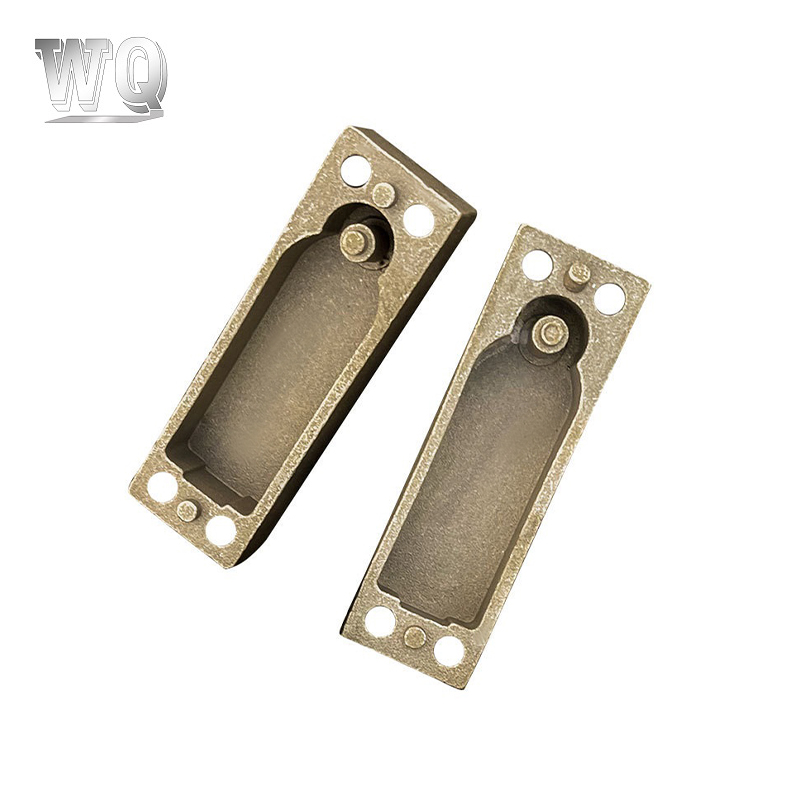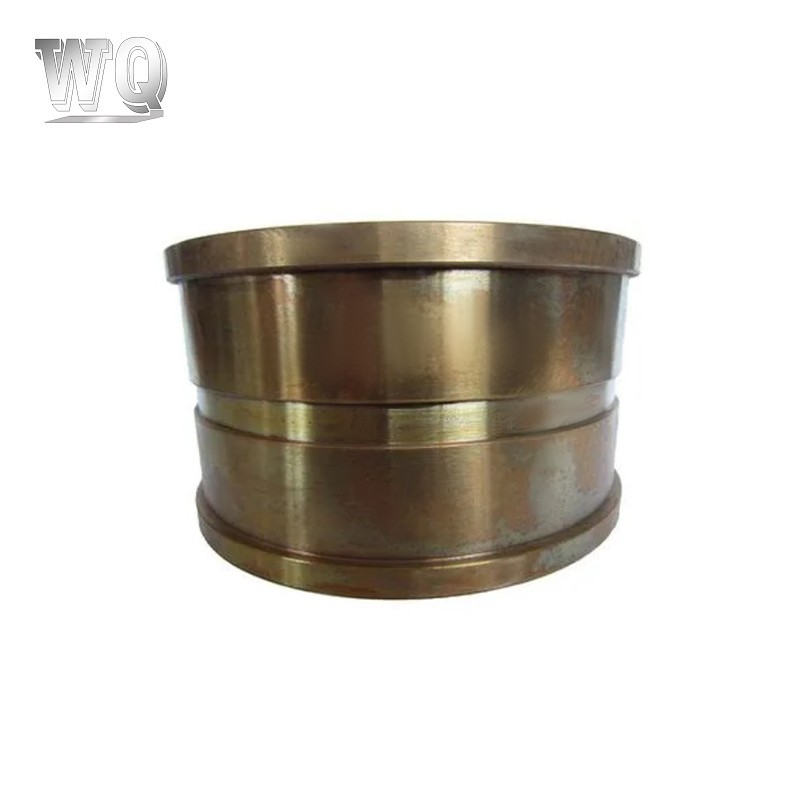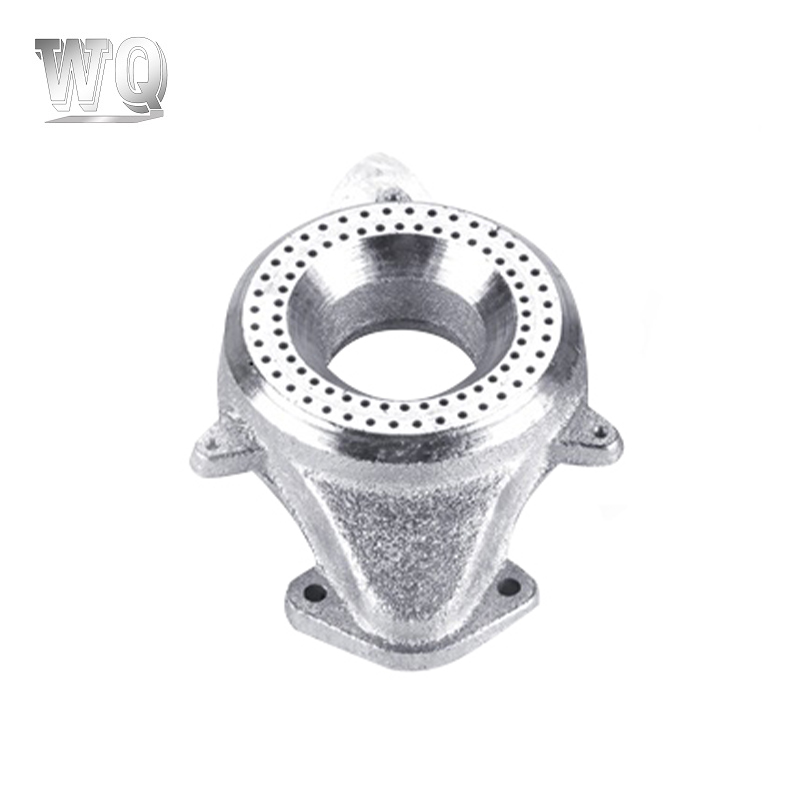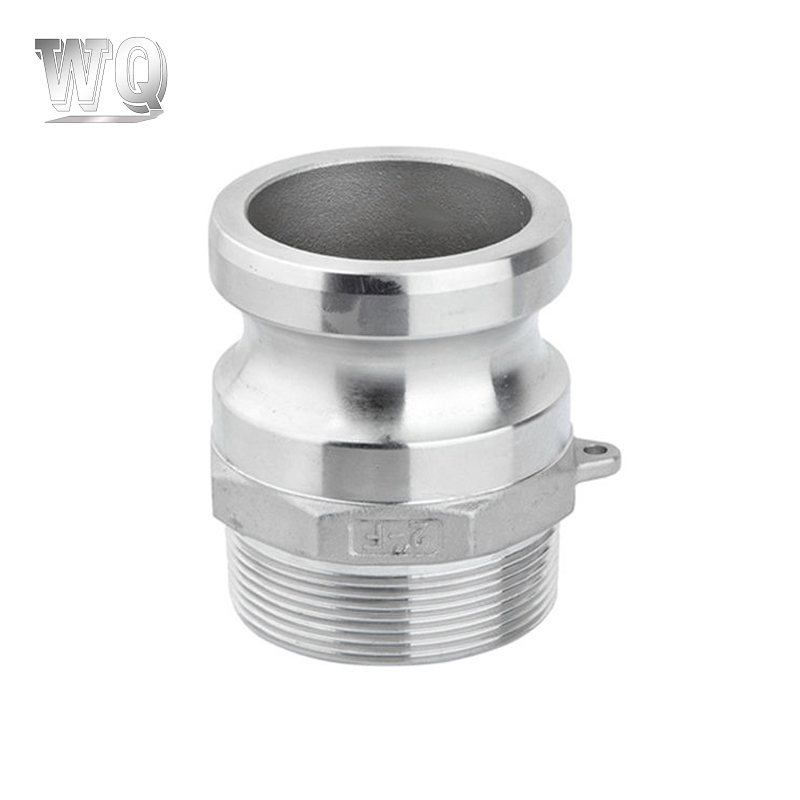




The Strategic Value of Copper Alloy Casting Parts
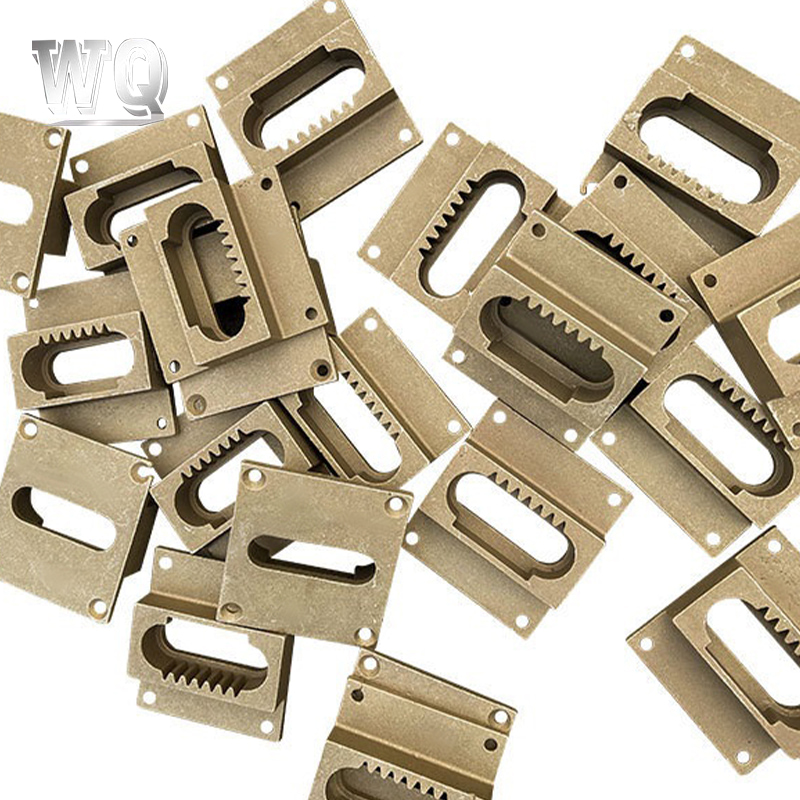
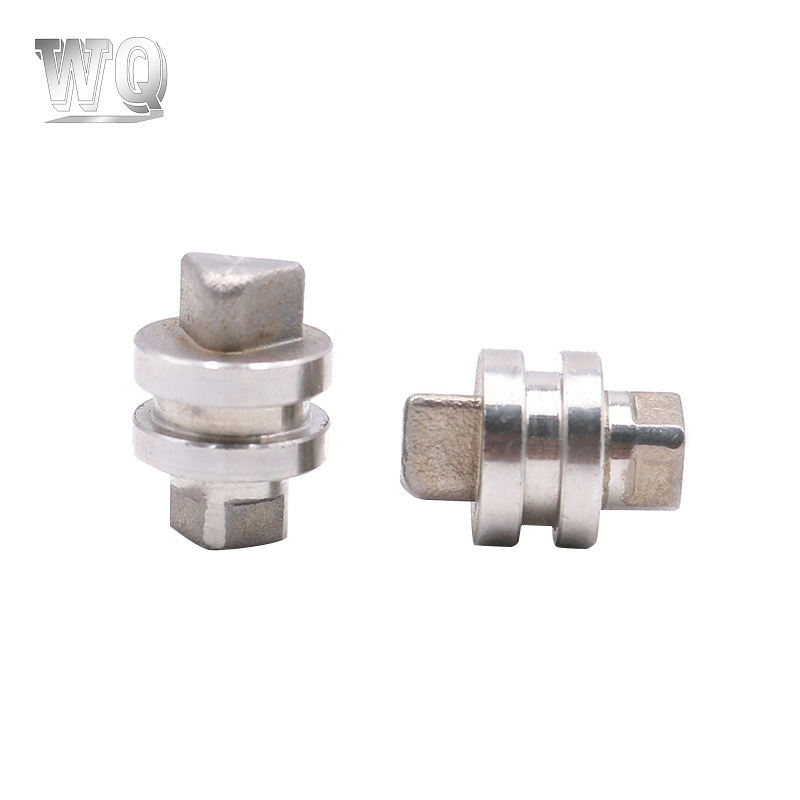
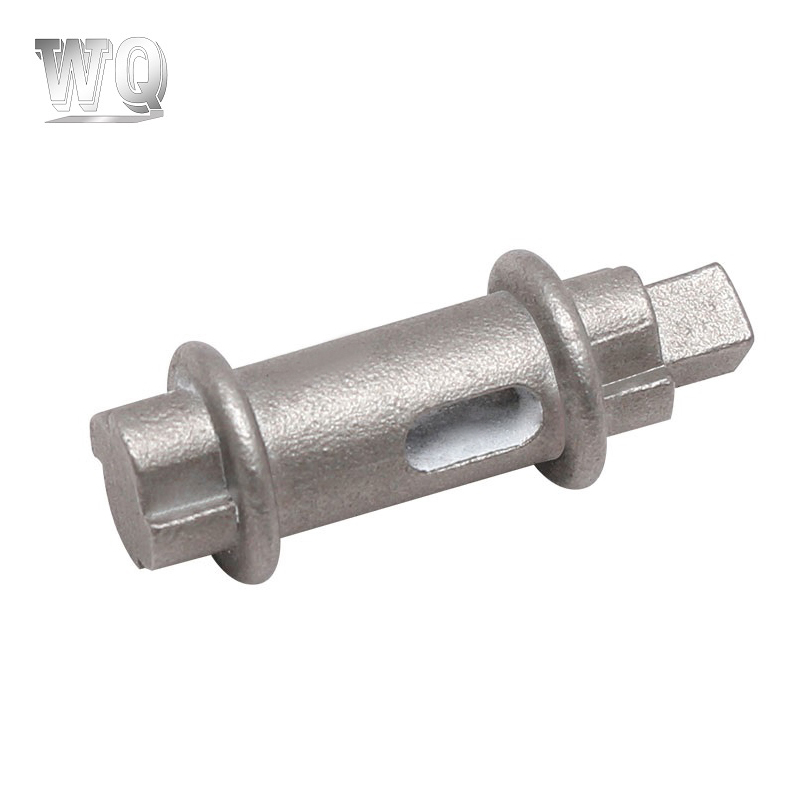
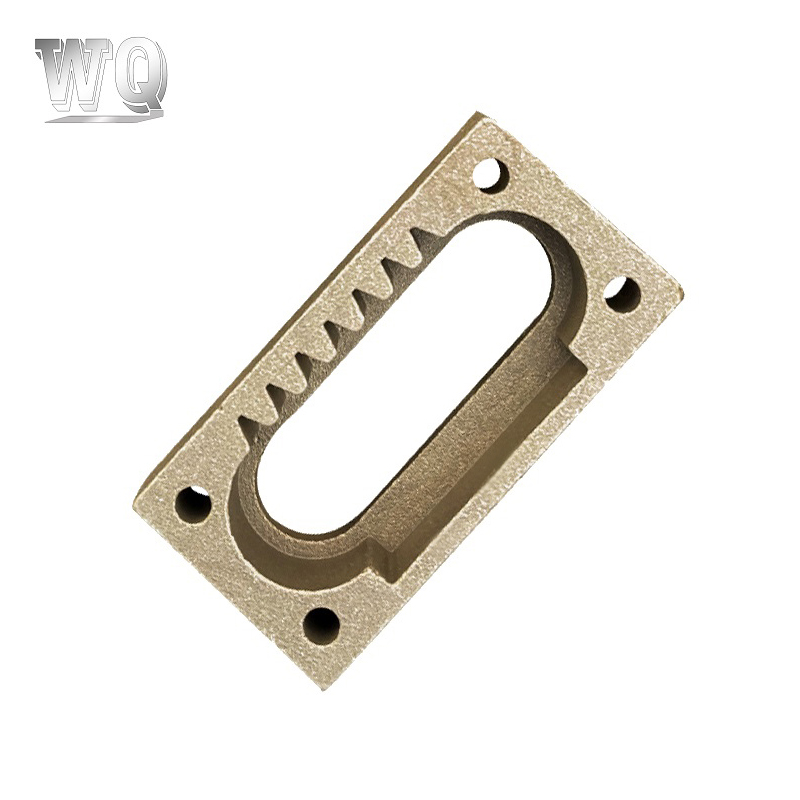
Copper alloy casting parts are essential components in industries requiring superior corrosion resistance, high thermal conductivity, and reliable mechanical performance under stress. Unlike steel or aluminum, copper alloys such as bronze and brass offer unique self-lubricating properties and antimicrobial benefits that make them irreplaceable in specific engineering applications.
These castings are produced by pouring molten copper-based alloys into molds to create complex shapes that would be difficult or cost-prohibitive to machine from solid stock. The resulting parts range from small valve components weighing a few grams to massive ship propellers exceeding several tons. Their ability to withstand harsh environments, including seawater exposure and high-temperature operations, ensures long service life with minimal maintenance.
For engineers and procurement specialists, understanding the nuances of copper alloy casting is critical. Selecting the wrong alloy or casting method can lead to premature failure, while optimizing these choices can reduce total lifecycle costs by 30-50% through extended part durability and reduced downtime.
주조에 사용되는 1차 구리 합금
모든 구리 합금이 동일하게 생성되는 것은 아닙니다. The specific composition determines the mechanical properties, castability, and end-use suitability. The three most common families used in casting are bronzes, brasses, and copper-nickel alloys.
주석 청동(C90000 시리즈)
Tin bronzes, such as C90300 and C90500, are known for their excellent strength and corrosion resistance. They are particularly resistant to seawater and steam, making them ideal for marine hardware, pump impellers, and valve bodies. Tin bronze castings typically exhibit tensile strengths between 30,000 and 40,000 psi and maintain integrity in temperatures up to 200°C.
납-주석 청동(납을 첨가한 청동)
Alloys like C93200 (SAE 660) contain lead, which provides exceptional machinability and self-lubricating properties. These are the standard choice for bushings, bearings, and wear plates where friction reduction is critical. While they have slightly lower structural strength than pure tin bronzes, their ability to embed dirt particles and resist galling makes them indispensable in moving machinery.
Aluminum Bronzes (C95000 Series)
Aluminum bronzes offer the highest strength among common copper casting alloys, with tensile strengths often exceeding 60,000 psi . They form a tough, protective oxide layer that resists abrasion and corrosion in aggressive chemical environments. Common applications include heavy-duty gears, worm wheels, and marine propellers where high load-bearing capacity is required.
Silicon Brass and Bronze
Silicon-added alloys provide good fluidity during casting, allowing for thinner walls and more intricate details. They are often used for decorative architectural hardware, plumbing fittings, and electrical components due to their good conductivity and aesthetic appeal.
| Alloy Type | Typical UNS Number | Tensile Strength (psi) | 주요 특징 |
|---|---|---|---|
| Tin Bronze | C90500 | 30,000 - 40,000 | 높은 내식성 |
| Leaded Bronze | C93200 | 25,000 - 35,000 | 자가 윤활성, 기계 가공 가능 |
| Aluminum Bronze | C95400 | 60,000 - 80,000 | 고강도, 내마모성 |
| 망간청동 | C86300 | 70,000 - 90,000 | 내구성이 뛰어나고 충격에 강함 |
구리 주물 제조 공정
The method used to cast copper alloys significantly affects the surface finish, dimensional accuracy, and internal soundness of the final part. Choosing the right process depends on volume, complexity, and budget.
모래 주조
Sand casting is the most versatile and widely used method for copper alloy parts, especially for large or low-volume components. It involves creating a mold from silica sand bonded with clay or resin. While surface finish is rougher than other methods, it allows for very large parts (up to several tons) and complex internal geometries using cores. Tooling costs are low, making it ideal for prototypes and custom orders.
매몰 주조(분실 왁스)
Investment casting produces high-precision parts with excellent surface finish and tight tolerances. A wax pattern is coated with ceramic slurry, melted out, and replaced with molten metal. This process is ideal for small, intricate copper alloy components such as jewelry, dental implants, and precision valve trim. Although more expensive per unit, it reduces machining requirements and material waste.
연속 주조
연속 주조는 복잡한 그물 모양 부품보다는 막대, 튜브, 막대와 같은 표준 모양을 생산하는 데 사용됩니다. However, these continuous cast billets are often the raw material for machined copper alloy components. The process yields a dense, uniform microstructure with minimal porosity, resulting in superior mechanical properties compared to static castings.
Permanent Mold Casting
In permanent mold casting, molten copper is poured into reusable metal molds. 이 방법은 모래 주조보다 더 빠른 사이클 시간과 더 나은 치수 일관성을 제공합니다. It is suitable for medium-to-high volume production of smaller parts like fittings and connectors. 급속 냉각 속도로 인해 입자 구조가 미세화되어 강도가 향상됩니다.
산업 전반의 중요한 애플리케이션
구리 합금 주조 부품은 신뢰성과 환경 저항이 타협할 수 없는 분야에서 널리 사용됩니다.
해양 및 해양
The marine industry is the largest consumer of copper alloy castings. Propellers, stern tubes, sea chests, and pump impellers are routinely made from aluminum bronze or nickel-aluminum bronze due to their resistance to biofouling and saltwater corrosion. 대형 컨테이너선 한 척이 사용 가능 over 5 tons of copper alloy castings in its propulsion and cooling systems.
Waterworks and Plumbing
밸브 본체, 소화전 부품 및 파이프 피팅은 일반적으로 청동이나 황동으로 주조됩니다. 이 소재는 철처럼 녹슬지 않아 깨끗한 물 공급과 장기간 누수 없는 성능을 보장합니다. 규제 표준에서는 오염을 방지하기 위해 음용수 응용 분야에 무연 구리 합금을 요구하는 경우가 많습니다.
산업기계
납 청동으로 만든 부싱, 베어링, 기어 휠은 중장비에 매우 중요합니다. Their self-lubricating nature reduces maintenance intervals in equipment such as construction excavators, agricultural tractors, and steel mill rollers. 고하중 시나리오에서 망간 청동 기어는 충격 하중을 견디는 데 필요한 인성을 제공합니다.
전기 및 열 관리
While pure copper is preferred for conductivity, certain copper alloy castings are used for electrical housings, heat sinks, and connector bodies where structural strength is also required. 이러한 부품은 열을 효율적으로 발산하는 동시에 민감한 전자 부품을 기계적으로 지원합니다.
품질 관리 및 결함 예방
구리 합금 주조 부품의 무결성을 보장하려면 엄격한 품질 관리 조치가 필요합니다. Common defects can compromise performance and safety.
Common Casting Defects
- Porosity: Gas trapped during solidification creates voids that weaken the part. Proper venting and degassing of molten metal are essential.
- Shrinkage Cavities: 적절한 공급 없이 냉각 중에 금속이 수축할 때 발생합니다. 라이저와 칠은 직접 응고에 사용됩니다.
- 포함사항: 슬래그 또는 금형 재료의 비금속 입자는 응력 집중을 유발할 수 있습니다. Filtration systems in the gating system help remove impurities.
- Cold Shuts: 두 개의 용융 금속 흐름이 만났지만 종종 낮은 주입 온도로 인해 제대로 융합되지 않을 때 발생합니다.
Inspection Techniques
제조업체는 품질을 검증하기 위해 다양한 비파괴 테스트(NDT) 방법을 사용합니다.
- 육안 검사: Checking for surface cracks, misruns, and dimensional accuracy.
- X-Ray Radiography: Detecting internal porosity and shrinkage without damaging the part.
- Dye Penetrant Testing: 표면 파괴 균열 및 결함 식별.
- Ultrasonic Testing: Measuring wall thickness and detecting subsurface flaws in thick sections.
- Chemical Analysis: Spectrometry to verify alloy composition meets specifications.
표준 및 인증
Reputable foundries adhere to international standards such as ASTM B62, ASTM B584, and ISO 9001. For marine applications, certification from classification societies like DNV, Lloyd’s Register, or ABS is often required. These certifications ensure that the casting process is controlled and traceable.
엔지니어를 위한 설계 지침
Designing for copper alloy casting requires specific considerations to optimize manufacturability and performance.
벽 두께 균일성
Maintain uniform wall thickness wherever possible to prevent differential cooling rates that lead to warping and shrinkage. If thickness changes are necessary, use gradual transitions with fillets rather than sharp corners. 일반적인 규칙은 사이의 벽 두께를 유지하는 것입니다. 3mm and 25mm 최적의 캐스팅 결과를 위해
구배 각도 및 가공 허용치
Include draft angles of 1-3 degrees on vertical surfaces to facilitate pattern removal from sand molds. Additionally, specify machining allowances of 1.5-3mm on surfaces that require precise finishing, as as-cast surfaces may have scale or minor irregularities.
Core Prints and Venting
Design adequate core prints to support internal sand cores securely during pouring. Ensure proper venting channels are integrated into the design to allow gases to escape, reducing the risk of gas porosity. Collaborating early with the foundry engineer can identify potential molding issues before tooling is created.
소재 선택 전략
합금 특성을 과도하게 지정하지 마십시오. If high strength is not needed, choose a more castable and cost-effective alloy like C93200 instead of C95400. Consider the total lifecycle cost, including machining, maintenance, and replacement frequency, rather than just the initial material price.
Copper alloy casting parts remain a cornerstone of modern engineering , offering unmatched combinations of corrosion resistance, wear performance, and thermal properties. By selecting the appropriate alloy, manufacturing process, and design features, engineers can create components that deliver reliable service in the most demanding environments. Whether for marine propulsion, industrial machinery, or water infrastructure, the strategic use of copper castings ensures longevity and operational efficiency.